01
Localization pipeline and asset packaging
AiLabs Agents · backend engineering
ideyaLabs built deterministic packaging, checksums, and staged promotions so localized drops could be validated before they went live.




An online learning organization needed global releases to behave like engineering: predictable pipelines, explicit approvals, and fewer surprises after publish. ideyaLabs delivered custom software development with AiLabs Agents—from workflow orchestration and media QA tooling to accessibility conformance practices and production-grade release controls.
86 → 34
Median days to ship a catalog update across twelve locales
Pipeline automation, asset packaging, and exception queues reduced idle time between translation, review, and publish steps.
47 → 18
Serious accessibility findings per thousand learner-hours of new media (pre-release)
Measured in structured audits after automated checks, human review gates, and standardized remediation workflows.
3.1×
More media QC tasks completed per reviewer week
Assistive scene detection, diff views, and templated issue reports reduced repetitive manual review for the pilot catalog.

Content teams could produce quickly, but the release train wobbled: late translations, inconsistent review evidence, and accessibility issues discovered too close to launch. The organization wanted software that made global delivery repeatable—not a heroic sprint every cycle.
ideyaLabs approached the program as platform engineering: pipelines, permissions, audit trails, and measurable quality gates—so leaders could improve cycle time without lowering the bar for learner trust.
ideyaLabs applied AiLabs Agents across requirements synthesis, workflow design, implementation, and test strategy. The platform treated localization, accessibility remediation, and media QA as engineered stages with explicit service levels—while keeping humans in control of publish decisions.
ideyaLabs built deterministic packaging, checksums, and staged promotions so localized drops could be validated before they went live.
Structured checks, severity models, and remediation tasks turned accessibility work into trackable engineering work—not ad-hoc opinions.
Diff views, keyboard-first review flows, and templated findings reduced repetitive manual labor while preserving expert judgment.
Agents proposed likely issues and grouped duplicates, but publish gates required explicit approvals from policy owners.
Canary releases, feature flags, and runbooks reduced the blast radius when a localized asset regressed in production.
Dashboards tied pipeline latency, defect escape rates, and publish success to operational staffing decisions.
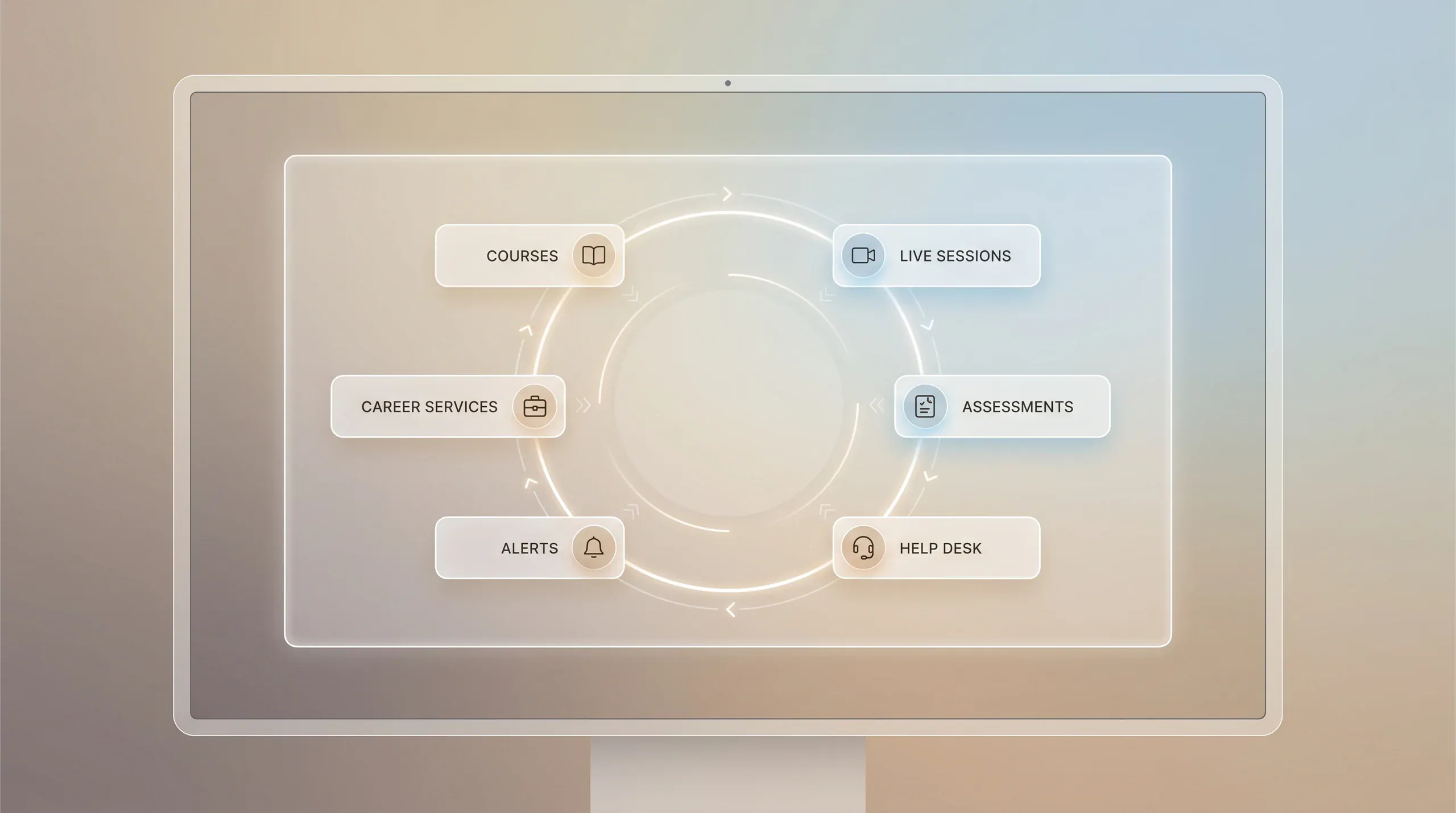
Operators stopped chasing status in threads. Teams could see which locale packages were blocked, which accessibility issues were truly ship-stoppers, and what evidence existed for a confident publish—then roll forward or roll back with a defensible record.

Outcomes were tracked as delivery truth: faster multilingual ships, fewer escaped defects, and release trains that stayed dependable when catalog velocity increased.
99.9%
On-time publish rate for tracked release trains
Measured after orchestration hardening and clearer ownership of pipeline stages across regions.
−52%
Post-release hotfix volume for localized assets
Driven by stronger preflight checks, fewer ambiguous handoffs, and better regression coverage for media changes.
2.4×
More locale packages validated per build (same team size)
Parallelized validation, reusable test matrices, and automated packaging reduced calendar time per release candidate.
Partner with ideyaLabs and AiLabs Agents to build governed localization and QA software, harden release orchestration, and prove improvements with measurable operational metrics.
Talk to our team