01
Unified work queues and prioritization
AiLabs Agents · care operations
Inbox, task, and follow-up models were normalized so teams could see what mattered now versus later—with clear ownership, SLAs, and escalation paths.




A multi-site care delivery organization needed the same clinical rigor with fewer hours lost to swivel-chair work. AiLabs Agents from ideyaLabs helped ship governed automations, integrated queues, and assistive workflows so teams could protect minutes for rounds, education, and shared decision-making—not just faster typing.
45m → 12m
Median documentation loop
Structured templates, field validation, and agent-assisted drafting collapsed a common charting cycle without removing clinician sign-off.
28% → 47%
Patient-facing minutes
Time-and-motion sampling across comparable shifts showed more protected minutes for rounds, education, and family conversations.
35%
Fewer duplicate entries
Cross-system reconciliation and guardrailed automations cut re-keying and rework tickets reported by operations.
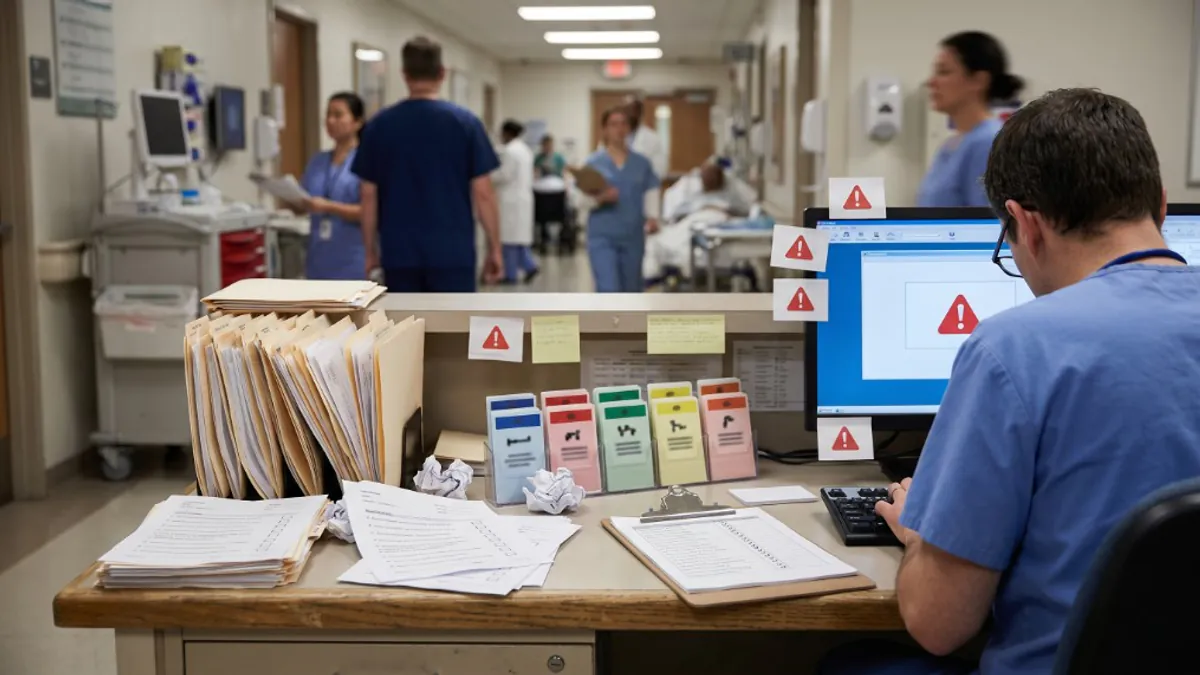
Clinicians were diligent, yet the operating rhythm rewarded “always on” task switching: open loops in the record, parallel inboxes, and rework when information arrived late. Leaders could see capacity pressure, but not a single trustworthy picture of where minutes disappeared.
The organization asked for pragmatic automation—patterns that reduced toil without blurring accountability lines, and engineering that could iterate safely beside regulated workflows.
ideyaLabs partnered with AiLabs Agents across product engineering, integrations, and responsible AI delivery—pairing retrieval-grounded assistance with explicit approvals, least-privilege access, and measurable “time returned” instrumentation.
Inbox, task, and follow-up models were normalized so teams could see what mattered now versus later—with clear ownership, SLAs, and escalation paths.
Drafting, gap detection, and coding suggestions stayed inside policy templates; clinicians retained explicit approval before anything entered the record of care.
Connectors, webhooks, and batch reconcilers reduced swivel-chair copying while preserving source-of-truth semantics and error surfacing for support teams.
Dashboards tied automation events to shift patterns so leaders could see where minutes moved—and where workflows still needed redesign.
Caching, query tuning, structured logging, and staged rollouts kept latency predictable during peak clinical hours and made incidents easier to trace.
Scenario tests, regression suites, and access-matrix checks increased confidence that each release respected consent, scope, and least-privilege patterns.
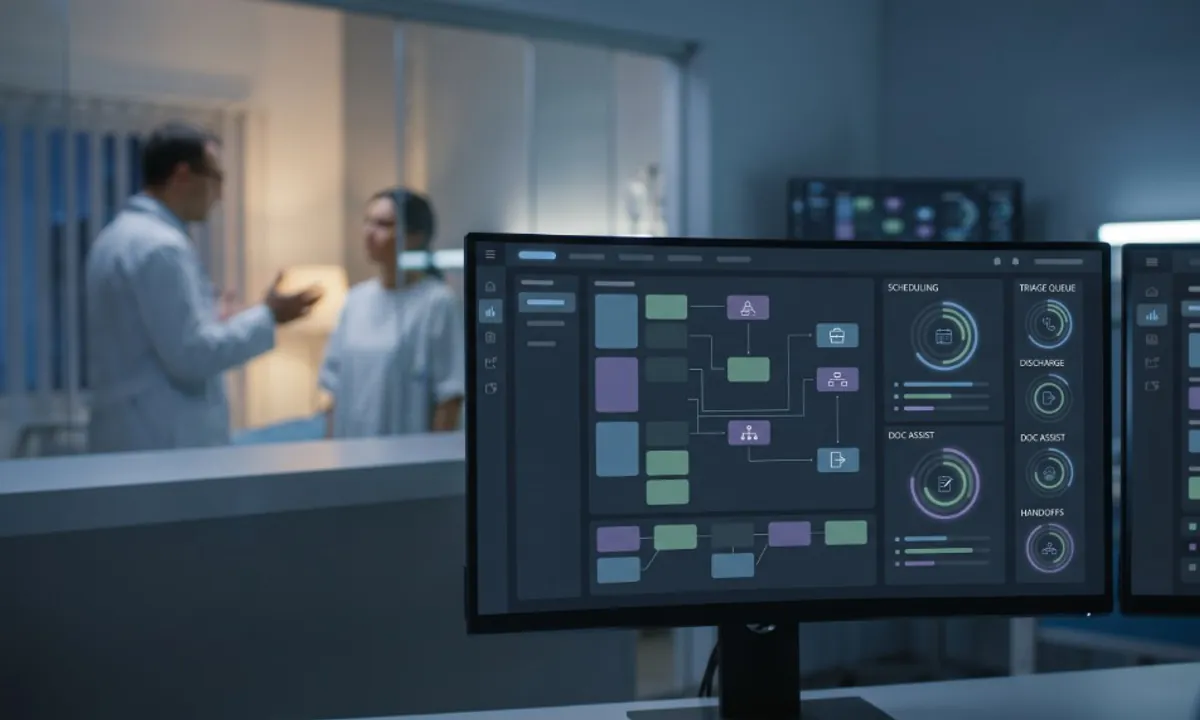
Role-aware workspaces replaced ad hoc tabs: charge nurses could see bottlenecks, attending teams could clear documentation debt in priority order, and support staff could resolve attachments without chasing signatures in chat threads. AiLabs Agents accelerated delivery while tests and access reviews kept each increment safe to roll forward.

Success was defined as durable behavior change—not a one-week spike. Reporting combined operational signals with human sampling so improvements stayed credible to frontline teams and executives alike.
2.1×
Faster loop closure
End-to-end completion of the prioritized documentation loop improved after agent assist, validation rules, and queue consolidation shipped together.
+19 pts
Patient-facing share
Difference between baseline and post-program observation windows for the same role mix—reported as a portfolio average, not a single-site claim.
99.95%
Platform availability target
Load-balanced services, health checks, and alert routing aligned uptime expectations with the reality of always-on clinical operations.
Engage ideyaLabs with AiLabs Agents to modernize clinical operations workflows, integrate responsibly, and ship improvements your teams can trust week over week.
Talk to our team