01
Inbound stability (IB)
AiLabs Agents · pre-plan to execution
Pre-plan doors, traps, and appointments were tied to active execution events so inbound planners could re-sequence with confidence when volume spikes or schedule changes hit mid-shift.




This programme modernized how teams coordinate Inbound OPS, Outbound OPS, LH, and DIS so door plans, pull decisions, manifests, and scans all reflect one live operational timeline. AiLabs Agents from ideyaLabs accelerated integration design, validation workflows, and release readiness across TTSL, CS, P&R, and BIL dependencies.
40%
Less door-level rework
Inbound and outbound supervisors worked from shared trap, pull, and manifest state instead of shift-specific spreadsheets.
2.4×
Faster dock-to-linehaul sync
Door utilization, seal capture, and trailer readiness reached linehaul planners in near real time.
32%
Fewer invoice exceptions
BIL received cleaner movement evidence when scans, dispatch updates, and load actions shared one record.
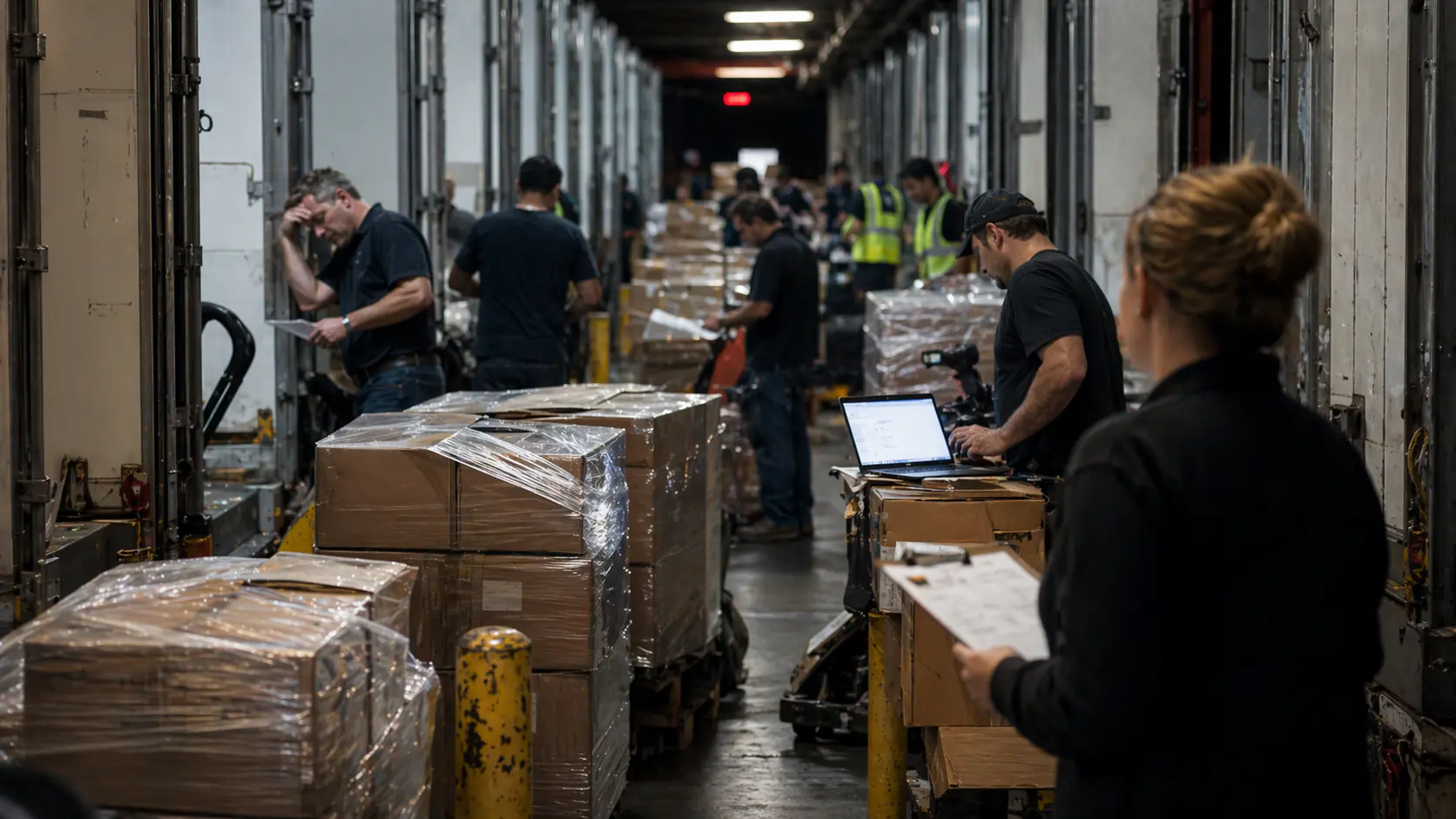
Inbound and outbound teams must make door and pull decisions by the minute, yet linehaul updates, dispatch adjustments, manifest edits, and billing prerequisites often travel through separate channels. When those channels drift, the dock becomes the reconciliation point.
The operation needed one movement spine where trip publication, route exceptions, scan events, and settlement context stayed synchronized from first assignment through invoice preparation.
ideyaLabs and AiLabs Agents focused on the operational handoffs that happen during every shift: door assignment to pull execution, pull execution to linehaul commitment, and movement confirmation to billing readiness. The result was a stronger, shared lifecycle across IB, OB, LH, DIS, TTSL, CS, P&R, and BIL.
Pre-plan doors, traps, and appointments were tied to active execution events so inbound planners could re-sequence with confidence when volume spikes or schedule changes hit mid-shift.
Lane plans, preset pulls, and direct pulls were validated against current trip intent, with scan-unload-load milestones reducing cube, seal, and dispatch close-out drift.
Published trip order, ad hoc bookings, and field-side dispatch changes were synchronized into one operational timeline so dock supervisors could act on what was true now, not what was true earlier.
Transit-time rules and customer-facing activity reflected actual movement state, keeping commitments aligned with execution during peak windows and exception paths.
Rate context and movement evidence traveled together, reducing bill-without-proof scenarios and shrinking manual exception handling in invoice preparation.
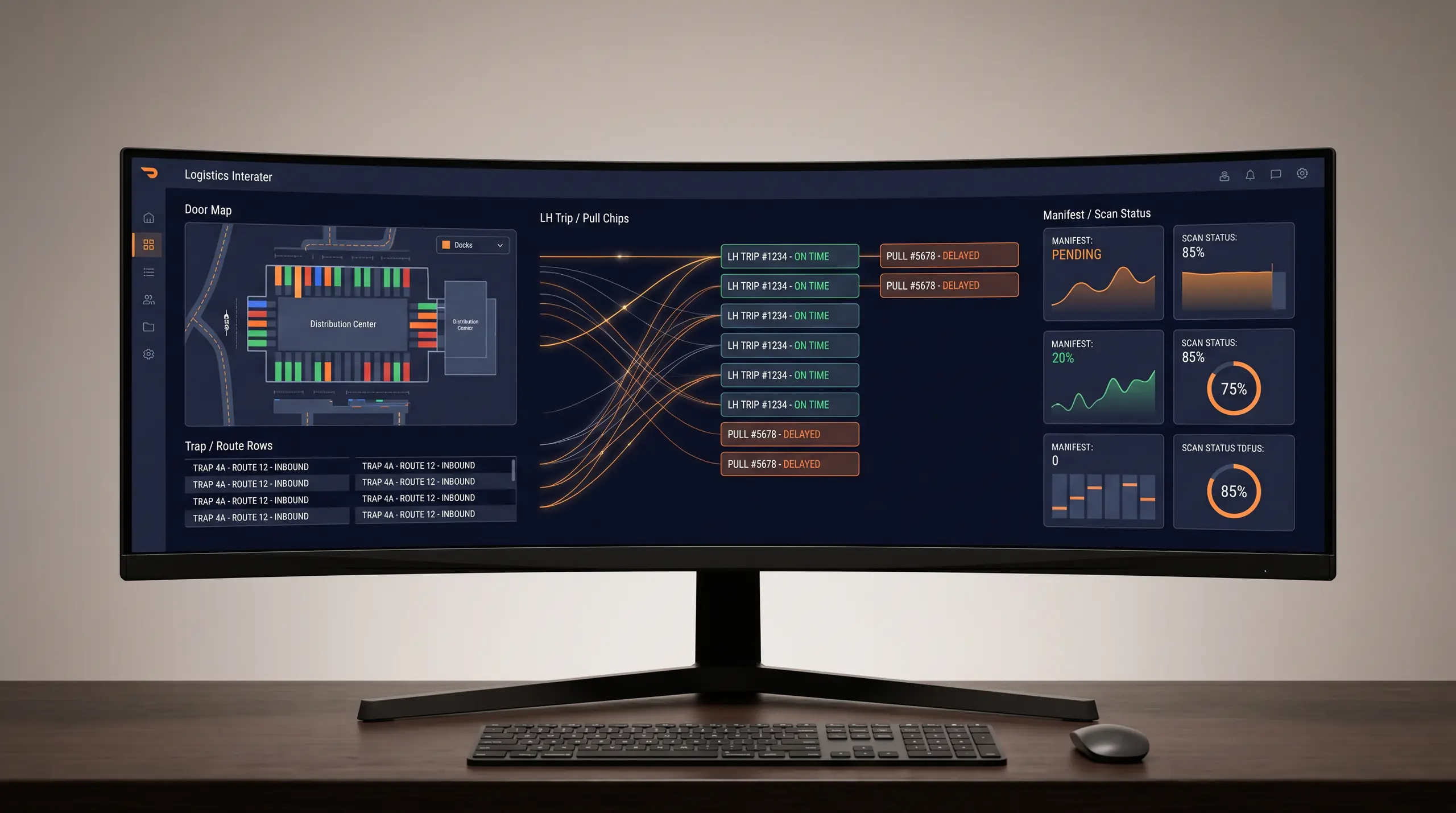
Supervisors and planners operated from the same decision surface: live door utilization, trap queue health, pull readiness, dispatch deltas, and shipment lineage prepared for settlement. AiLabs Agents helped codify validation and release guardrails so shift-to-shift continuity stayed intact during peak volumes.
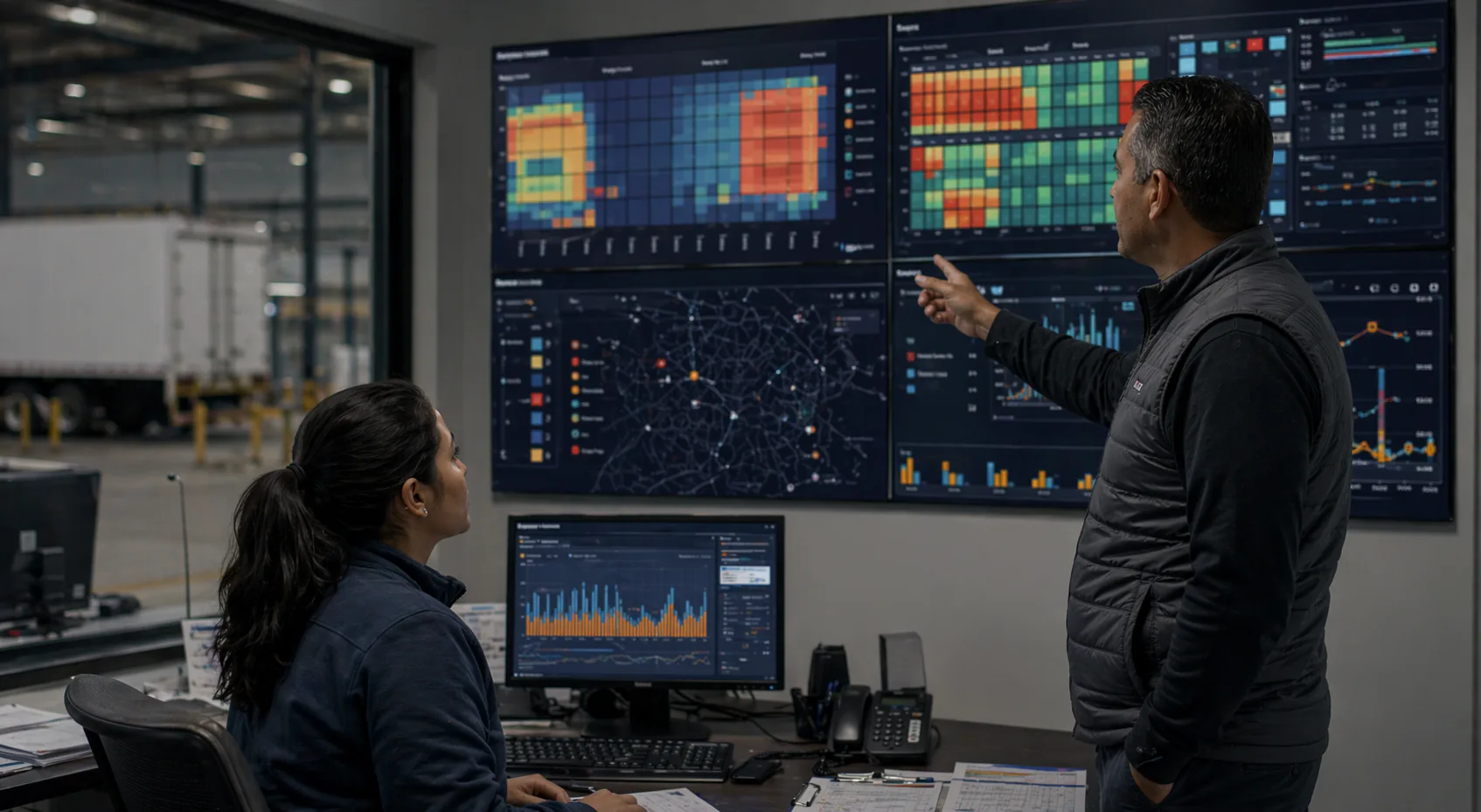
The programme prioritized outcomes that logistics leaders track daily: throughput stability, faster visibility, and cleaner first-pass settlement readiness.
40%
Door-plan rework reduction
Dock teams made fewer late-stage plan reversals because pulls, traps, and scan evidence were anchored to current trip intent.
2.4×
Dock-to-linehaul visibility speed
Supervisors and planners reviewed the same movement timeline in minutes, not after shift-end reconciliation.
32%
Lower first-pass billing exceptions
Invoice queues received cleaner identifiers and execution context when operational systems shared one lineage.
Engage ideyaLabs with AiLabs Agents to modernize dock, linehaul, dispatch, and billing dependencies on a single operational timeline.
Talk to our team