01
Multi-tier network visibility
AiLabs Agents · graph & lineage
Bill-of-materials depth, spend concentration, and substitute feasibility were modelled so planners could see exposure past immediate suppliers without maintaining shadow spreadsheets.




This programme delivered a supply chain risk and resilience layer on top of planning and execution systems: multi-tier visibility, prioritised signals, governed scenarios, and executable playbooks. AiLabs Agents from ideyaLabs accelerated ontology design, integration contracts, synthetic disruption drills, and rollout so teams could rehearse and respond with the same facts executives trust.
48%
Faster risk containment
Exceptions routed with lineage—what moved, which commit slipped, which substitute path was viable—cut triage time across procurement and ops.
3×
More scenarios per quarter
Stress tests on lead time, capacity, and allocation rules ran in self-service sandboxes instead of waiting for specialist-only models.
36%
Fewer surprise tier-2 events
Upstream exposure and single-source concentration surfaced before POs and schedules locked.
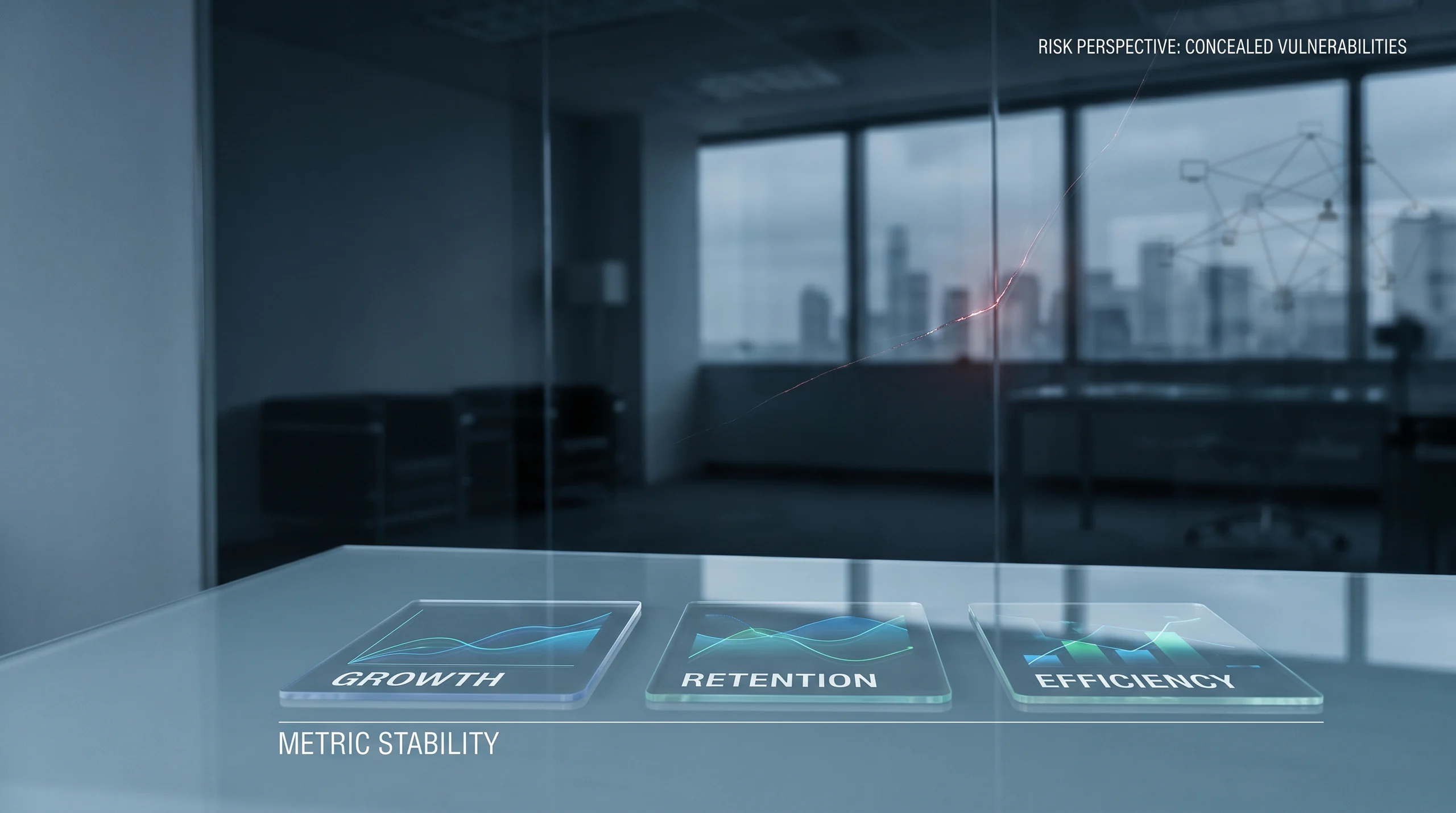
Dashboards showed green service levels while concentration and single-source dependencies sat two or three tiers away. When shocks arrived, teams chased data instead of running a rehearsed path—burning margin and credibility in the same week.
The organisation needed risk intelligence that stayed attached to parts, suppliers, orders, and policies—so containment could start in hours, not after the weekend spreadsheet merge.
ideyaLabs brought domain architects and integration engineers together with AiLabs Agents to encode the assumptions executives actually debate: feasible substitutes, contractual limits, recovery time targets, and the telemetry that proves whether a playbook step succeeded.
Bill-of-materials depth, spend concentration, and substitute feasibility were modelled so planners could see exposure past immediate suppliers without maintaining shadow spreadsheets.
Lead-time drifts, quality holds, logistics exceptions, and financial stress markers were normalised into one priority stack ranked by revenue-at-risk and customer impact.
Sandboxes let teams stress demand, capacity, and sourcing rules while guardrails prevented “paper plans” that violated contractual or regulatory constraints.
Run steps—reallocate, split, substitute, expedite—were wired to the same order and inventory objects operations used daily, so rehearsals could become controlled execution.
Leaders consumed a concise view: top exposures, time-to-recover bands, and decision checkpoints—without exporting five tools into one slide deck.
Each disruption generated structured retrospectives so assumptions, thresholds, and playbook steps improved before the next cycle hit.
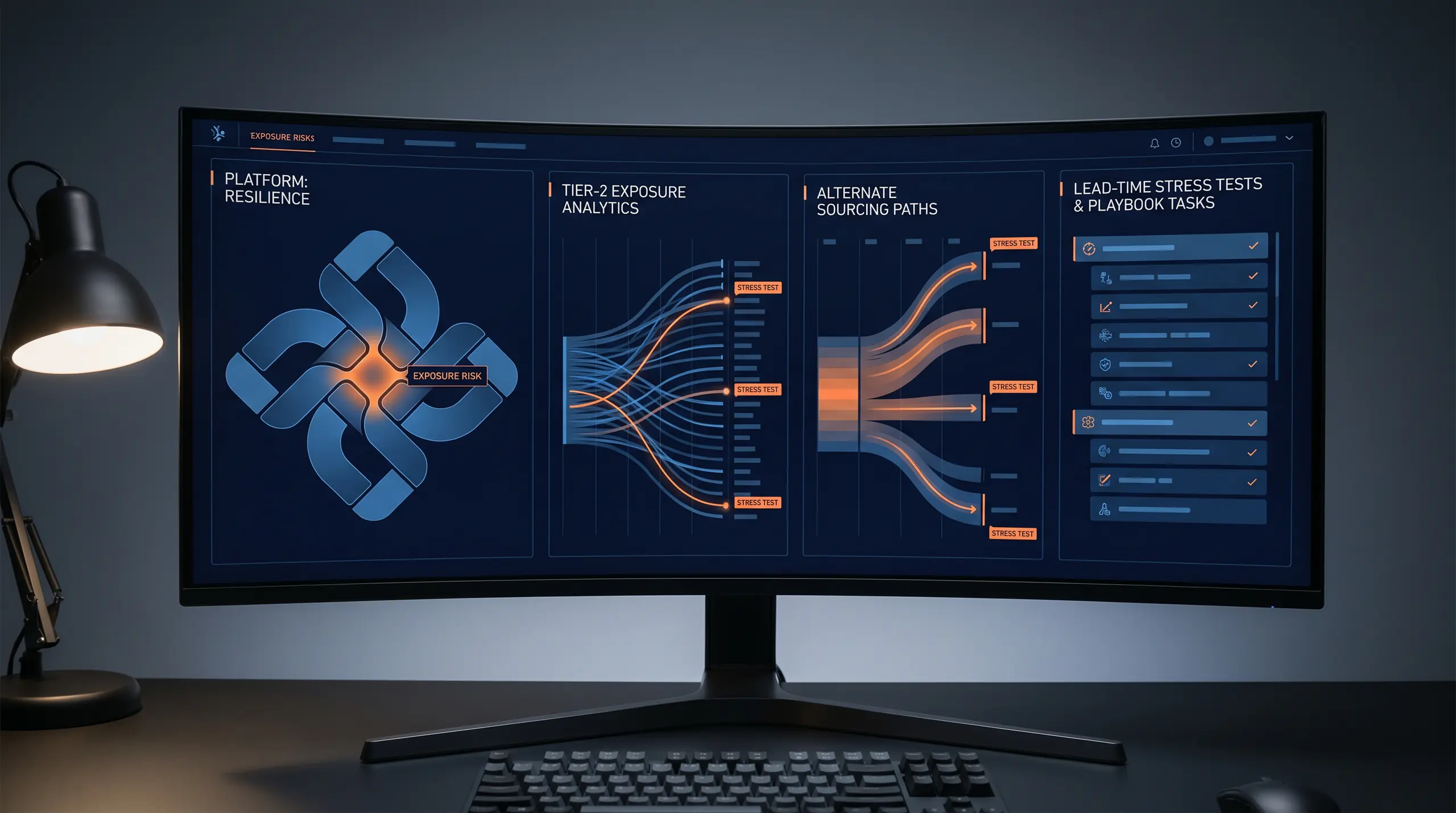
The control layer turned “what if” into actionable branches: each scenario produced bounded decisions with owners, thresholds, and measured outcomes. AiLabs Agents helped generate contract tests and golden-path simulations so playbook releases did not destabilise the steady-state planning engine underneath.

Success was measured in operational language: faster containment, more credible scenarios exercised, and fewer surprises originating beyond tier one.
48%
Faster risk containment
Cross-functional teams contained incidents sooner because signals, owners, and actions were pre-mapped instead of invented under pressure.
3×
Scenario throughput
Planners and category managers explored more credible futures each quarter, improving confidence in sourcing and inventory buffers.
36%
Fewer tier-2 surprises
Hidden concentration and late visibility dropped once upstream dependencies were continuously monitored.
Engage ideyaLabs with AiLabs Agents to build risk intelligence, scenarios, and playbooks on a platform your network can actually run under pressure.
Talk to our team